


The Ultimate Guide to Private Label Skin Care: Build Your Beauty Empire in 2026
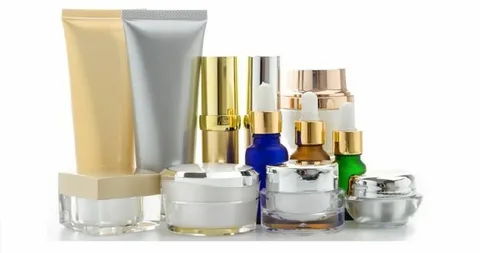
The global beauty industry has undergone a seismic shift. In 2026, the power has moved from legacy cosmetic giants to agile, "indie" brands. If you have ever dreamt of launching your own beauty line, there has never been a more lucrative time to explore private label skin care.
With the global skin care market projected to surpass $129 billion this year, the "private label" model offers the fastest, most cost-effective route to market. This guide will walk you through everything from sourcing bioactive ingredients to mastering the art of "Skinimalism" branding.
What is Private Label Skin Care?
Private label skin care is a business model where a manufacturer creates high-quality, pre-formulated products that you sell under your own brand name.
Unlike custom formulation (where you develop a product from scratch in a lab), private labeling allows you to choose from a library of "proven" formulas—such as Vitamin C serums or hyaluronic acid moisturizers—and customize the packaging, scent, and branding to make it uniquely yours.
Why It’s the Gold Standard for Startups:
-
Low MOQs: Many manufacturers now offer "Low Minimum Order Quantities," allowing you to start with just 50–100 units.
-
Speed to Market: You can launch a full product line in weeks rather than years of R&D.
-
Regulatory Compliance: Most private label formulas are already safety-tested and compliant with FDA or EU standards.
2026 Skin Care Trends: What’s Selling Now?
To succeed in 2026, you cannot just sell "soap." You need to align with current consumer psychology. The market has moved toward functional, transparent, and eco-conscious products.
Skin Longevity (The New "Anti-Aging")
Consumers are no longer looking to "fix" wrinkles; they want to prevent them. This has led to a surge in demand for Ectoin serums and barrier-repair sticks that protect the skin's natural microbiome.
Skinimalism
The 10-step routine is dead. Today’s buyers want multi-functional products—like an SPF that doubles as a tinted moisturizer and a blue-light protector.
The Rise of Bioactive Ingredients
Look for manufacturers offering:
-
Bakuchiol: The plant-based, gentle alternative to Retinol.
-
Snail Mucin & Fermented Actives: Ingredients that focus on deep hydration and cellular repair.
-
Copper Peptides: Known as "Botox in a bottle" for their firming properties.
How to Find the Right Private Label Manufacturer
Your manufacturer is your most important business partner. In 2026, look for partners that offer more than just a product; look for accelerators.
Key Certification Checklists:
-
GMP Certified: Ensures the facility follows "Good Manufacturing Practices."
-
ISO 22716: The international standard for cosmetic manufacturing safety.
-
Cruelty-Free & Vegan: Non-negotiable for 80% of modern skin care shoppers.
Top Global Manufacturers in 2026:
-
Selfnamed (Europe): Ideal for on-demand, eco-certified skin care with zero waste.
-
Cosmetic Solutions (USA): A powerhouse for high-performance clinical grade formulas.
-
Genext Lab (Asia/Global): Specializes in custom-tweakable private label formulas and trending actives like peptides.
Step-by-Step Guide to Launching Your Brand
Define Your Niche
Don't try to be "all things to all people." Choose a specific concern:
-
Example: High-performance skin care for athletes.
-
Example: Microbiome-safe products for sensitive, acne-prone skin.
Order Samples
Never skip this. Test the texture, the scent (or lack thereof), and the "shelf-life" stability. Use the product yourself for at least 30 days.
Design "Instagrammable" Packaging
In 2026, your packaging is your primary marketing tool. Sustainable materials like glass, bamboo, or PCR (Post-Consumer Recycled) plastic are currently outperforming traditional packaging in conversion rates
SEO Strategies for Skin Care Brands
To drive organic traffic to your store, you must master Skin Care SEO.
High-Intent Keywords to Target:
Focus on "problem-solution" keywords rather than generic terms.
-
Bad: "Face Cream" (High competition, low conversion).
-
Good: "Best moisturizer for skin barrier repair," "Vegan bakuchiol serum for sensitive skin," or "Ectoin serum benefits for redness."
Content Marketing: The "Education-First" Model
Google’s 2026 algorithms prioritize E-E-A-T (Experience, Expertise, Authoritativeness, and Trustworthiness). Create blog posts that teach:
-
"How to layer Vitamin C and Retinol without irritation."
-
"The science behind microbiome-friendly skin care."
Regulatory Compliance and Safety
The beauty industry is heavily regulated. To avoid legal headaches:
-
Check Your Claims: Avoid words like "cure" or "treat" unless you are registered as an OTC (Over-the-Counter) drug. Stick to cosmetic claims like "brightens," "hydrates," or "improves the appearance of."
-
Ingredient Transparency: Always list your full INCI (International Nomenclature Cosmetic Ingredient) list on your website and packaging.
Scaling Your Brand to 7-Figures
Once you have a "Hero Product" that sells, it’s time to scale.
-
Subscription Models: Skin care is the perfect "replenishment" product. Offer a 10-15% discount for monthly subscriptions to build recurring revenue.
-
Influencer Partnerships: In 2026, "Skinfluencers" on TikTok and Instagram are more trusted than traditional celebrities. Look for micro-influencers with high engagement rates.
-
Omnichannel Presence: Start on Shopify, then move to Amazon FBA, and eventually aim for boutique retail placements.
Conclusion: Your Journey Starts with One Formula
Starting a private label skin care brand in 2026 is no longer about having a massive laboratory; it’s about having a clear vision and a reliable manufacturing partner. By focusing on trending ingredients like Ectoin and Bakuchiol, maintaining a "Skinimalist" brand aesthetic, and prioritizing SEO-driven education, you can carve out a profitable piece of the $129 billion beauty pie.

 English
 Arabic
 French
 Spanish
 Portuguese
 Turkish
 Dutch
Dutch
 Italiano
 Russian
 Romaian
 Portuguese (Brazil)
 Greek
Greek