


The Digital Shield: An In-Depth Overview of the Cyber Security Service Industry
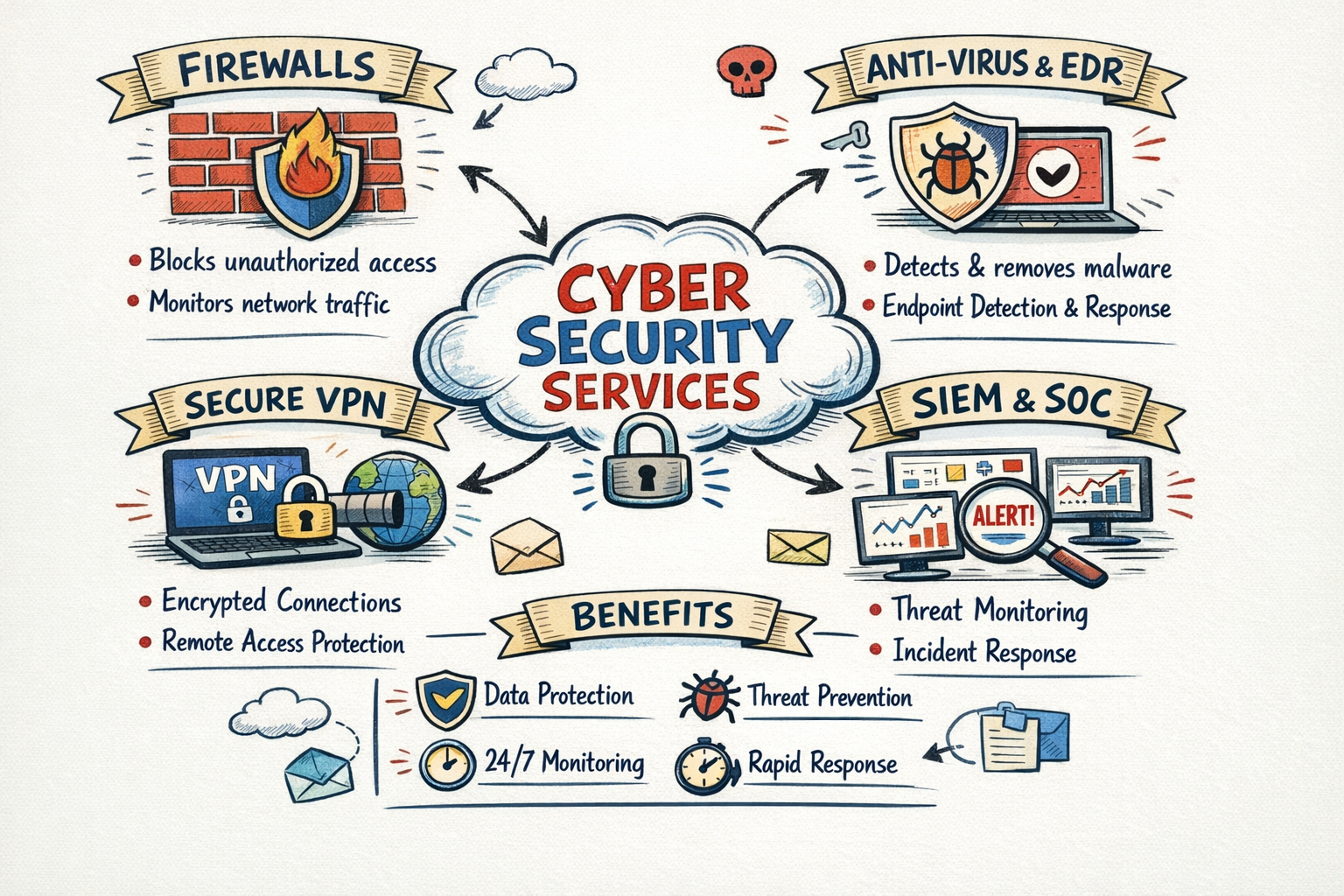
The cyber security service industry has become the indispensable defense layer of the modern digital economy, providing the specialized expertise and operational capabilities organizations need to protect their critical assets from an ever-evolving landscape of digital threats. This sector is not about selling standalone hardware or software products; instead, it is focused on delivering human-led and technology-augmented services designed to manage, monitor, and respond to cyber risks. As businesses accelerate their digital transformation initiatives—embracing cloud computing, remote work, and the Internet of Things (IoT)—their attack surface expands exponentially, making them more vulnerable than ever. A comprehensive understanding of the Cyber Security Service industry reveals a dynamic and complex ecosystem of providers offering a spectrum of services, from strategic consulting and risk assessment to 24/7 managed security operations and emergency incident response. This industry is fundamentally driven by the stark reality that cyber risk is now a primary business risk, making proactive and professional security management a non-negotiable requirement for survival, compliance, and maintaining customer trust in a hyper-connected world where data is the most valuable currency and the most targeted asset.
The primary driver behind the industry's explosive growth is the dramatic escalation in the volume, sophistication, and financial impact of cyber-attacks. The threat landscape is no longer limited to mischievous hackers; it is dominated by highly organized and well-funded criminal enterprises, nation-state actors conducting espionage and sabotage, and "hacktivist" groups pushing political agendas. The proliferation of Ransomware-as-a-Service (RaaS) models on the dark web has democratized cybercrime, allowing even low-skilled attackers to launch devastating campaigns. Furthermore, attackers are increasingly targeting the supply chain, as seen in high-profile incidents like the SolarWinds breach, where compromising a single trusted vendor can provide access to thousands of downstream victims. This relentless and asymmetric threat environment means that organizations cannot simply rely on automated defenses. They require the proactive threat hunting, advanced analytics, and battle-tested expertise of seasoned security professionals to anticipate and neutralize attacks before they can cause significant damage, making the services provided by this industry a critical component of any modern defense-in-depth strategy and a necessity for resilient business operations.
The cyber security service industry can be broadly categorized into two main pillars: Managed Security Services (MSS) and Professional Security Services. Managed Security Services are ongoing, subscription-based offerings where a provider, known as a Managed Security Service Provider (MSSP), takes over the continuous management and monitoring of an organization's security infrastructure. This includes services like 24/7 security operations center (SOC) monitoring, managed detection and response (MDR), threat intelligence feeds, and the management of firewalls and other security devices. Professional Security Services, on the other hand, are typically project-based or advisory engagements designed to address specific security challenges or goals. This category encompasses a wide range of offerings, including strategic consulting (vCISO services), penetration testing and red teaming to identify vulnerabilities, risk and compliance assessments against standards like ISO 27001 or NIST, cloud security architecture reviews, and emergency incident response (IR) services that are deployed after a breach has occurred. While MSS provides the continuous "shield," professional services provide the periodic "health checks," strategic guidance, and emergency support needed to build a mature security posture.
A defining characteristic of the cyber security service industry is the critical importance of the human element and the persistent global talent shortage. Technology alone is insufficient to combat a creative and determined human adversary. The industry relies on a deep pool of highly skilled professionals, including security analysts, threat hunters, incident responders, digital forensics experts, and ethical hackers. However, the demand for this talent far outstrips the available supply, creating a severe skills gap that is one of the biggest challenges for both service providers and their clients. This shortage is a major reason why many organizations turn to service providers in the first place—they simply cannot find, afford, or retain the necessary in-house expertise. For service providers, attracting and retaining top talent is their primary competitive differentiator. They invest heavily in continuous training, advanced certifications, and creating a culture of innovation to stay ahead of the attackers. Ultimately, the value of a cyber security service is a direct reflection of the quality, experience, and ingenuity of the people delivering it.
Explore Our Latest Trending Reports:
Artificial Intelligence Market
Customer Experience Analytics Market

 Arabic
 French
 Spanish
 Portuguese
 Deutsch
 Turkish
 Dutch
Dutch
 Italiano
 Russian
 Romaian
 Portuguese (Brazil)
 Greek
Greek