


What Is the Complete Guide to Choosing the Best HVAC Service in Maryland?
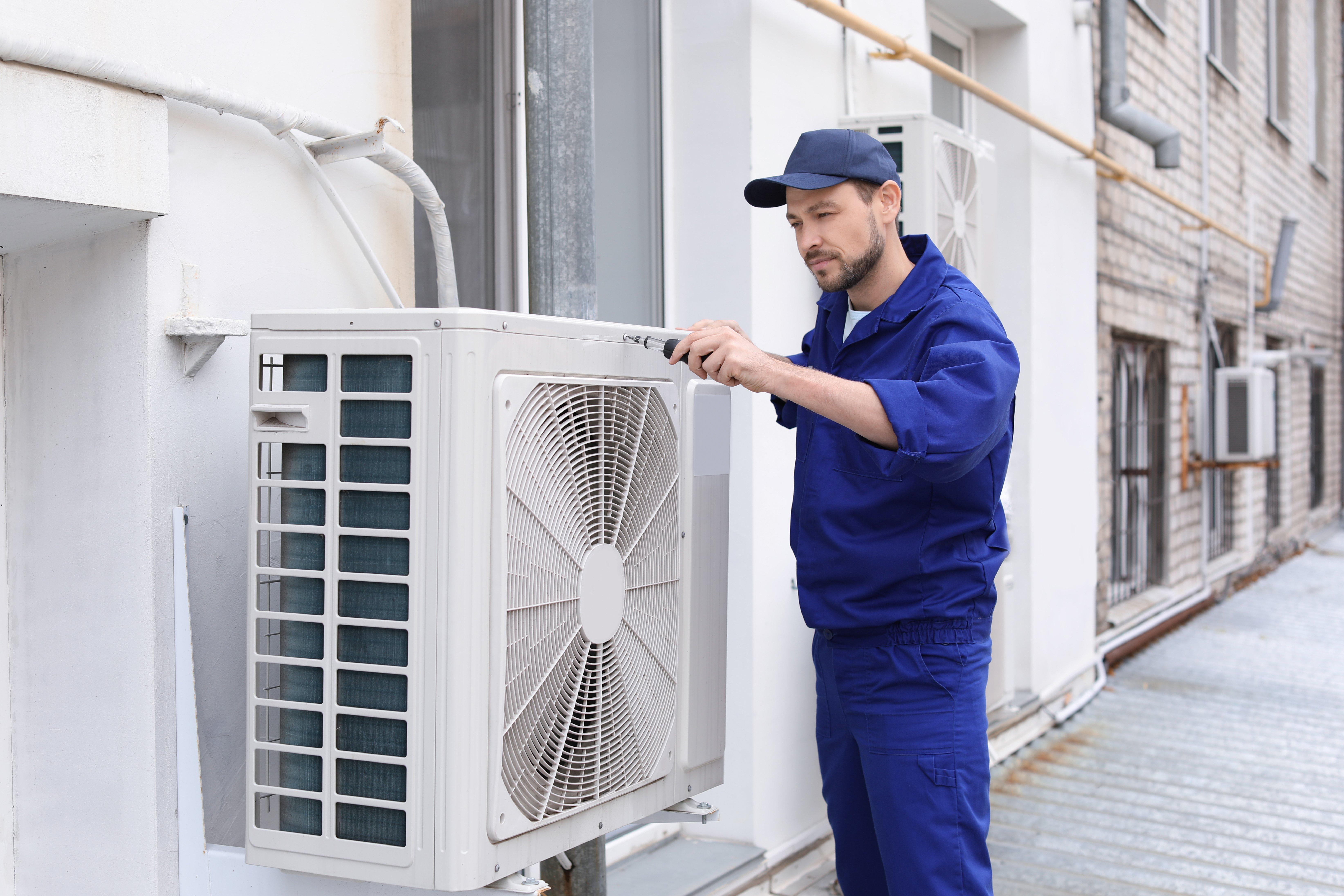
Home comfort depends on more than a working furnace or air conditioner; it depends on the people you trust to install, repair, and maintain that equipment over the years. Maryland's shifting seasons, from humid summers to cold winters, put real strain on heating and cooling systems, which means the contractor you hire matters as much as the equipment itself. A reliable HVAC service in Maryland does more than fix what's broken today; it helps prevent tomorrow's breakdown through proper maintenance, honest diagnostics, and equipment sized correctly for your home. Choosing carelessly can mean higher energy bills, frequent repairs, and a system that never quite performs the way it should.
Why Homeowners Trust Professional HVAC Service in Maryland
Professional HVAC service in Maryland exists because heating and cooling systems are more complex than most homeowners realize, involving electrical components, refrigerant handling, and airflow calculations that require real training to get right. A technician who understands local climate patterns can recommend equipment and settings suited to Maryland's humidity swings and seasonal temperature extremes, rather than applying generic advice that ignores regional conditions. That local knowledge, paired with proper licensing and insurance, is what separates a dependable contractor from someone working out of a truck with minimal accountability. Homeowners who understand this distinction tend to make better hiring decisions the first time around.
Licensing, Insurance, and What They Actually Protect
A licensed contractor has passed state-required testing demonstrating competence in electrical work, refrigerant handling, and system installation, which matters because HVAC mistakes can create fire hazards or carbon monoxide risks if done incorrectly. Insurance protects homeowners financially if something goes wrong during a job, whether that's property damage or an injury on site, and working with an uninsured contractor shifts that risk directly onto the homeowner. Verifying these credentials before signing any contract takes only a few minutes but can prevent significant headaches later. Ask to see current license numbers and confirm them independently rather than simply taking a contractor's word for it. This single verification step separates careful homeowners from those who end up dealing with unlicensed work, voided warranties, or uninsured liability after a job goes sideways.
Why Experience with Local Climate Conditions Matters
Maryland's climate swings from humid, hot summers to genuinely cold winters, which means HVAC systems here work harder across a wider temperature range than in more moderate climates. A technician familiar with these conditions understands how humidity affects cooling efficiency, how ductwork should be sized for regional airflow needs, and which equipment brands hold up best under repeated seasonal strain. This experience shows up in smaller decisions too, like recommending the right refrigerant charge for summer performance or flagging insulation gaps before winter heating bills spike. Contractors without this regional background sometimes apply one-size-fits-all recommendations that technically work but underperform compared to advice tailored to the specific demands of a Maryland home. That difference becomes obvious over a full year of use, not just on install day.
What Should You Look for in an HVAC Service in Maryland?
The most reliable way to evaluate a contractor is to look at three things together: verified credentials, transparent pricing, and a track record of completed local work rather than vague marketing claims. An HVAC service in Maryland worth hiring should be able to explain their diagnostic process clearly, provide a written estimate before starting work, and answer questions about equipment options without pressuring an immediate decision. Homeowners who take time to compare a few contractors on these specific points, rather than choosing based on price alone, generally end up with better long-term outcomes and fewer surprise repairs down the road.
Questions Worth Asking Before You Hire
Before committing to a contractor, ask how they diagnose problems, whether they provide written estimates, and what warranty coverage applies to both labor and parts. It's also worth asking how long they've operated in the area and whether they can provide references from recent local jobs, since a contractor unwilling to share this information may be newer or less established than they claim. Ask about emergency availability too, since heating failures rarely happen at convenient times, and knowing whether a company offers after-hours service before you need it saves stress later. A contractor who answers these questions directly, with specific details rather than vague reassurances, is generally more trustworthy than one who deflects or rushes the conversation. These few minutes of questioning upfront can prevent a much larger problem down the line.
Red Flags That Signal a Contractor to Avoid
Certain warning signs should make any homeowner pause before signing a contract, starting with pressure tactics like same-day discounts that expire if you don't commit immediately. Vague pricing, refusal to provide a written estimate, or reluctance to discuss licensing are all signs worth taking seriously rather than dismissing. Contractors who recommend replacing an entire system without first explaining what specifically failed, or without offering repair as an option, deserve extra scrutiny since replacement isn't always necessary. Unusually low bids compared to several other quotes can also indicate corners being cut on parts or labor quality. Trusting instincts here matters; if something about a sales pitch feels rushed or evasive, it's reasonable to get a second opinion before moving forward with any major HVAC investment.
Understanding the Full Range of HVAC Services Available
Heating and cooling needs vary widely depending on a home's age, size, and existing equipment, which is why a full-service contractor typically offers far more than basic repairs. Installation, seasonal maintenance, emergency repair, and system replacement all require different expertise, and understanding what each service actually involves helps homeowners know what to expect and budget accordingly. Platinum Service Pro approaches each of these service categories with the same attention to detail, since a rushed maintenance visit or an improperly sized installation can create problems that surface months later.
Installation and System Replacement
Installing a new HVAC system involves far more than swapping old equipment for new; it requires calculating the correct system size for the home's square footage, insulation levels, and duct layout to avoid inefficiency. An oversized unit cycles on and off too frequently, wasting energy and wearing out components faster, while an undersized unit struggles to keep up during extreme temperatures. Proper installation also includes verifying ductwork condition, since leaky or poorly sealed ducts can undermine even the best equipment's performance. Homeowners replacing an aging system should expect a thorough home assessment before any equipment recommendation, not just a quick estimate based on square footage alone. Getting this step right upfront typically saves significant money on energy bills over the equipment's lifespan, making it worth the extra time during the planning stage rather than rushing into a quick replacement decision.
Maintenance and Emergency Repair
Routine maintenance, including filter changes, coil cleaning, and refrigerant level checks, extends equipment lifespan and catches small issues before they become expensive failures. Systems that receive regular seasonal tune-ups tend to run more efficiently and break down less often than those serviced only when something goes wrong. Emergency repair service matters just as much, particularly during extreme summer heat or winter cold snaps when a broken system isn't just inconvenient but potentially unsafe. A contractor offering both scheduled maintenance and responsive emergency service gives homeowners coverage across the full lifecycle of their equipment. This combination of preventive care and rapid response is what keeps a system running reliably year after year, rather than lurching from one unexpected breakdown to the next without any real plan in place.
How Do You Know When It's Time to Repair or Replace Your System?
Deciding between repair and replacement often comes down to the age of the system, the cost of the repair relative to a new unit, and how frequently breakdowns have occurred recently. As a general guideline, if a system is older than fifteen years and facing a repair costing more than a third of a new installation's price, replacement usually makes more financial sense than continued patchwork fixes. Homeowners weighing this decision benefit from an honest assessment rather than a sales pitch, since a trustworthy contractor will sometimes recommend repair even when replacement would generate more revenue for them.
Signs Your HVAC System Needs Professional Attention
Certain warning signs indicate a system needs professional evaluation soon, even if it's still technically running. The clearest indicators include:
-
Uneven heating or cooling between rooms in the same home
-
Rising energy bills without a clear explanation like weather changes
-
Unusual noises such as grinding, banging, or persistent rattling
-
Frequent short cycling, where the system turns on and off rapidly
-
Visible moisture, ice buildup, or rust around the unit itself
Catching these signs early often means the difference between a manageable repair and a full system failure at the worst possible moment. Homeowners who schedule an inspection at the first sign of trouble typically spend less over time than those who wait until the system fails completely.
Weighing Repair Costs Against Long-Term Value
When a repair estimate comes in, it helps to think beyond the immediate cost and consider how much life realistically remains in the current system. An aging unit that has already required several repairs in recent years is a strong candidate for replacement, even if the current issue itself seems minor, because the pattern suggests more failures are likely ahead. Newer systems, on the other hand, are usually worth repairing even for a moderately expensive fix, since replacement would mean losing years of remaining service life unnecessarily. Energy efficiency is another factor worth considering, since older systems often run far less efficiently than current models, meaning a replacement can pay for part of itself through lower utility bills over time. A contractor who walks through this cost comparison honestly, rather than pushing toward whichever option is more profitable, is one worth continuing to work with for future service needs.
What Makes Local Expertise Valuable for Maryland Homes
Local expertise shows up in details that generic national advice often misses, from understanding regional building codes to knowing which equipment brands perform reliably under Maryland's specific climate demands. Contractors who have worked across the state for years accumulate practical knowledge about common issues in older housing stock, typical ductwork configurations, and seasonal patterns that affect system performance differently than in other regions. This localized experience translates directly into faster, more accurate diagnostics and recommendations that actually fit the home in question.
Understanding Regional Building Codes and Permits
Maryland has specific building codes and permitting requirements for HVAC installation and major repairs, and a contractor unfamiliar with these local regulations can create compliance headaches that surface later during a home sale or insurance claim. Proper permitting also ensures that work gets inspected by a qualified third party, adding an extra layer of accountability beyond the contractor's own quality control. Homeowners rarely think about this step until it becomes a problem, such as discovering unpermitted work during a real estate transaction. A contractor experienced with local requirements handles this paperwork as a standard part of the job rather than treating it as an afterthought. That attention to regulatory detail is a quiet but meaningful indicator of professionalism that's easy to overlook until it actually matters.
How Local Reputation Builds Long-Term Trust
A contractor's reputation within a specific community develops over years of completed jobs, word-of-mouth referrals, and repeat customers who call the same company for every new issue that arises. This kind of reputation is harder to fake than online reviews alone, since neighbors and local homeowner groups tend to share real experiences, both good and bad, about contractors working in their area. Companies that have built this local trust generally have more incentive to maintain quality on every job, since a single bad experience can spread quickly through a tight-knit community. Homeowners can tap into this by asking neighbors or checking local community boards for recommendations rather than relying solely on national review platforms. That local track record, built one job at a time, is often a better predictor of future service quality than any marketing claim could be.
What to Expect When You Book Service
Booking HVAC service should feel simple, with clear communication from the first phone call through the completed job. A dependable process starts with understanding the issue or project, scheduling a convenient appointment window, and arriving prepared with the tools and parts likely needed for common repairs. This structure removes guesswork for homeowners and sets realistic expectations about timing and cost before any work begins.
The Diagnostic and Estimate Process
A thorough diagnostic process starts with a technician actually inspecting the system rather than guessing based on a phone description alone, since many HVAC issues share similar symptoms but have very different underlying causes. After identifying the problem, a written estimate should outline the recommended repair or replacement, associated costs, and expected timeline before any work begins. Homeowners should feel comfortable asking questions at this stage, including whether alternative repair options exist and how the estimate compares to the cost of a new installation if relevant. This transparency at the estimate stage is what allows homeowners to make an informed decision rather than feeling pressured into immediate approval. A contractor confident in their diagnosis will welcome these questions rather than rushing past them toward a signature.
Ongoing Support After the Job Is Done
Quality service doesn't end when the technician leaves; it includes follow-up support if issues arise shortly after a repair or installation, along with clear warranty documentation for both parts and labor. Platinum Service Pro treats this post-job relationship as part of the overall service, since a contractor who disappears after collecting payment isn't providing the kind of reliability homeowners actually need from an ongoing service provider. Maintenance reminders, seasonal check-in calls, and easy access to scheduling for future needs all contribute to a relationship that extends well beyond a single visit. Homeowners benefit from working with Platinum Service Pro precisely because that continued relationship means faster response times and more informed service on every future call, since the technician already has a history with the home's specific equipment and layout.
Conclusion
Choosing the right HVAC contractor in Maryland comes down to verifying credentials, asking direct questions, and paying attention to how transparently a company communicates about pricing and diagnostics. Local experience matters more than many homeowners realize, since it shapes everything from equipment recommendations to code compliance and long-term reliability. Whether the need is routine maintenance, an emergency repair, or a full system replacement, working with a contractor who treats every job with the same care builds the kind of trust that pays off for years to come. Taking the time to choose carefully now prevents far more costly problems later.

 English
 French
 Spanish
 Portuguese
 Deutsch
 Turkish
 Dutch
Dutch
 Italiano
 Russian
 Romaian
 Portuguese (Brazil)
 Greek
Greek