


Understanding Air Bearing Design: Journal and Thrust Bearings
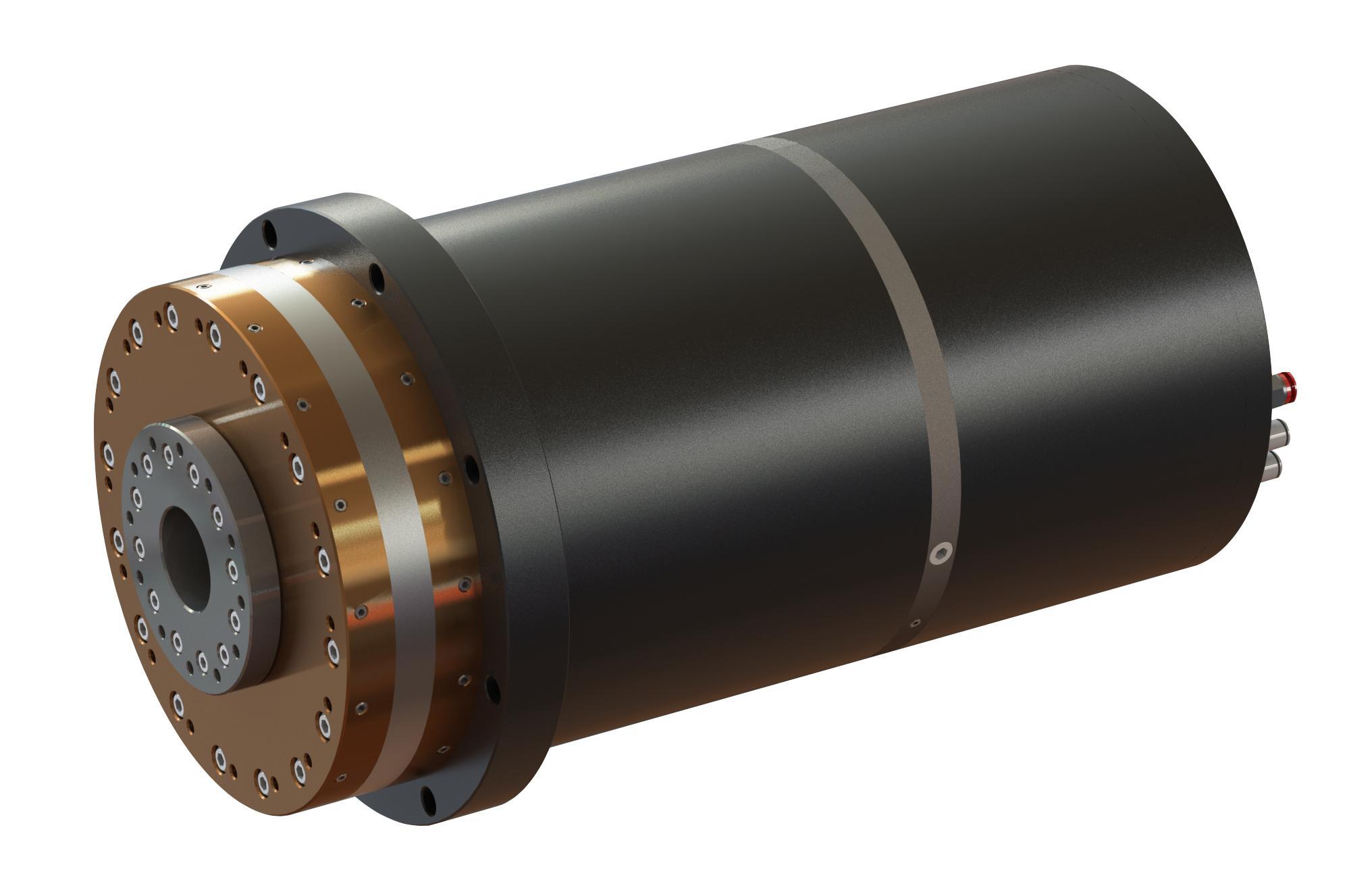
Air bearings are designed in various configurations to meet specific application requirements, with journal and thrust bearings representing two fundamental design categories. As per Market Research Future, the bearing design segmentation organizes the industry around journal bearings, rotational bearings, and thrust bearings, each addressing a specific motion axis and load profile. Journal bearings provide radial support for shafts, rotational bearings facilitate precise angular motion with minimal hysteresis, and thrust bearings manage axial loads in high-precision assemblies . The understanding of journal bearing performance is essential for engineers selecting appropriate bearing solutions for rotating equipment. These design distinctions directly influence integration complexity, maintenance regimes, and control strategy requirements.
Journal bearings are the most common type, providing radial support for rotating shafts in applications ranging from machine tool spindles to turbine rotors. The principle of operation relies on the wedge effect, where rotation of the shaft drags air into the converging clearance between the bearing and shaft, generating pressure that supports the load. Aerodynamic journal bearings are mainly used to support and guide high-speed lightly loaded rotors, with the high speed of the rotor at the interface dragging atmospheric air inside the convergent zone of bearing, leading to pressure generation in the air film that supports the loaded rotor efficiently . The performance of journal bearings is influenced by various factors including operating speed, clearance, shaft diameter, and load conditions.
Thrust bearings, alternatively, are designed to support axial loads in rotating machinery, maintaining precise axial positioning of shafts relative to stationary components. These bearings are essential in applications such as compressors, pumps, and turbines where axial forces must be controlled. The design principles for thrust bearings are similar to those for journal bearings, with convergent wedges creating pressure to support the load. Both journal and thrust bearings can be configured as either aerostatic (externally pressurized) or aerodynamic (self-acting) designs, depending on the application requirements. The choice between these configurations depends on factors such as operating speed, load conditions, starting and stopping frequency, and the need for external air supply . Understanding these design distinctions enables engineers to select optimal bearing solutions for their specific applications.
FAQ 1: What is the difference between journal and thrust air bearings?
Journal bearings provide radial support for rotating shafts, handling forces perpendicular to the shaft axis, while thrust bearings manage axial loads along the shaft axis, maintaining precise positioning of rotating components relative to stationary parts.
FAQ 2: What factors influence air bearing design selection?
Factors influencing design selection include operating speed, load conditions, starting and stopping frequency, required accuracy, environmental conditions, availability of external air supply, and whether the application requires aerostatic (externally pressurized) or aerodynamic (self-acting) operation.

 English
 Arabic
 French
 Portuguese
 Deutsch
 Turkish
 Dutch
Dutch
 Italiano
 Russian
 Romaian
 Portuguese (Brazil)
 Greek
Greek