Skin concerns like fine lines, acne scars, and uneven texture have led many people to explore advanced dermatology solutions. One of the most effective options available today uses laser technology to resurface damaged skin and encourage natural healing. In recent years, Fractional CO2 Laser Treatment has gained popularity because it offers noticeable results with controlled downtime, making it a preferred choice for individuals seeking non-surgical skin rejuvenation. This guide explains everything beginners need to know, from how the procedure works to recovery and expected results.
What is it:
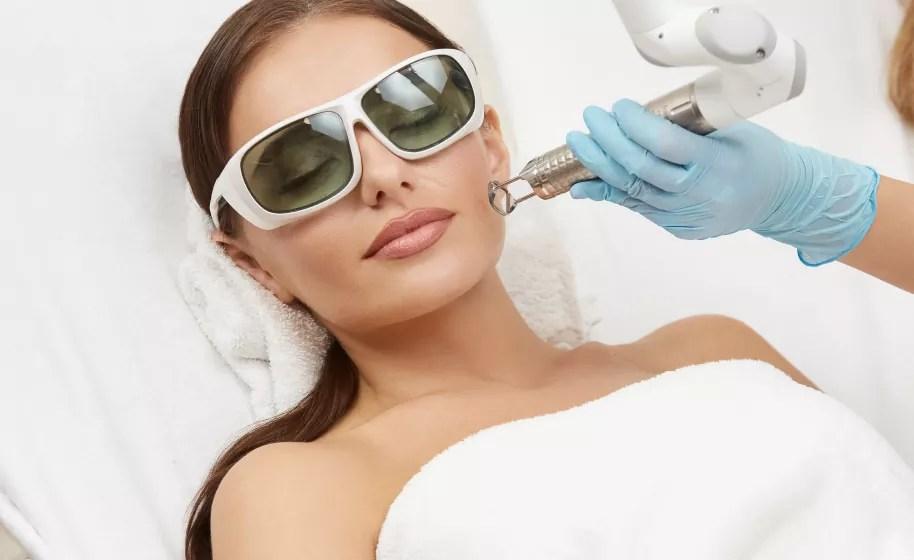
This is a skin resurfacing procedure that uses a carbon dioxide laser to target damaged layers of the skin in a fractional manner, meaning only tiny sections of skin are treated while surrounding tissue remains intact. This controlled approach allows faster healing and reduced risk compared to traditional laser resurfacing methods. It is commonly used to treat acne scars, wrinkles, pigmentation, and sun damage. In modern dermatology, Fractional CO2 Laser Treatment is considered a gold-standard solution for improving skin texture and stimulating long-term collagen production. Key characteristics include:
- Precision targeting of damaged skin layers
- Minimal impact on surrounding healthy tissue
- Strong collagen stimulation for natural skin renewal
- Effective treatment for both superficial and deep skin concerns
How it works:
The procedure works by delivering short pulses of carbon dioxide laser energy into the skin, creating microscopic thermal zones. These controlled injuries trigger the body’s natural healing response, encouraging new collagen and elastin production. Over time, the skin becomes smoother, firmer, and more even in tone. The process is carefully calibrated depending on the patient’s skin type and condition. Typical steps include:
- Skin cleansing and removal of impurities
- Application of numbing cream for comfort
- Use of laser device to target specific areas
- Natural healing response activated after treatment
This method allows the skin to regenerate from within, making results gradually more visible over several weeks.
Benefits:
The treatment provides a wide range of cosmetic improvements, making it a popular option among dermatologists and patients alike. It is especially effective for people who want visible results without undergoing invasive surgery. Benefits include:
- Reduction in acne scars and surgical scars
- Smoother skin texture with refined pores
- Improvement in fine lines and wrinkles
- More even skin tone and reduced pigmentation
- Long-lasting rejuvenation through collagen remodeling
Because it works at a deeper skin level, results continue to improve even after the initial healing period.
Procedure steps:
The treatment is performed in a clinical environment under professional supervision to ensure safety and effectiveness. A typical session may last between 30 minutes and 2 hours depending on the area being treated. The steps generally include:
- Initial consultation to assess skin condition and goals
- Cleaning and preparation of the treatment area
- Application of topical anesthesia to minimize discomfort
- Laser application using controlled fractional pulses
- Post-treatment soothing creams applied to calm the skin
Patients usually describe the sensation as warm or mildly prickly, but it is well tolerated due to numbing agents.
Recovery and aftercare:
Recovery time varies depending on the intensity of the treatment, but most people experience initial healing within 5 to 10 days. Proper aftercare is essential to ensure optimal results and reduce the risk of side effects. Important recovery guidelines include:
- Keeping skin moisturized with recommended healing ointments
- Avoiding sun exposure and applying high-SPF sunscreen daily
- Not picking or peeling flaking skin during healing
- Using gentle skincare products only
- Staying hydrated to support skin repair
During recovery, redness and mild swelling are common and gradually fade as new skin forms.
Side effects and risks:
While the procedure is generally safe when performed by a qualified professional, some temporary side effects may occur. These usually resolve within a few days to weeks. Possible effects include:
- Redness and mild swelling in treated areas
- Temporary itching or skin sensitivity
- Light peeling or crusting as skin heals
- Rare risk of infection if aftercare is ignored
- Temporary pigmentation changes in sensitive individuals
Choosing an experienced dermatologist significantly reduces the likelihood of complications.
Who is suitable:
This procedure is best suited for individuals who want to improve visible skin imperfections and are in overall good health. However, not everyone is an ideal candidate. Suitable candidates include:
- Individuals with acne scars or surgical scars
- People experiencing fine lines and wrinkles
- Those with sun-damaged or uneven skin tone
- Patients without active skin infections or severe conditions
It is generally not recommended for pregnant women or individuals with certain medical conditions that affect healing.
Cost factors:
The cost of treatment can vary widely depending on several influencing factors. These include clinic reputation, technology used, and the number of sessions required for optimal results. Other important cost considerations are:
- Size and condition of the treatment area
- Experience level of the dermatologist
- Geographic location of the clinic
- Number of sessions needed for desired results
Because multiple sessions may be required, patients should plan their budget accordingly for long-term improvement.
Choosing the right clinic:
Selecting the right clinic plays a major role in both safety and results. A well-equipped clinic with experienced professionals ensures better outcomes and reduces risks associated with improper technique. Important factors to consider include:
- Certification and experience of the dermatologist
- Quality and modernity of laser equipment used
- Hygiene standards and patient care protocols
- Availability of pre- and post-treatment consultation
- Transparent explanation of procedure and expected results
Taking time to research and choose a reputable provider can significantly improve satisfaction with the overall treatment experience.
Final thoughts:
For individuals looking to improve skin texture, reduce scars, and achieve a more youthful appearance without surgery, this advanced laser procedure offers a reliable solution. When performed correctly and supported with proper aftercare, Fractional CO2 Laser Treatment can deliver long-term improvements in skin quality, making it a valuable option in modern cosmetic dermatology.



 Arabic
 French
 Spanish
 Portuguese
 Deutsch
 Turkish
 Dutch
Dutch
 Italiano
 Russian
 Romaian
 Portuguese (Brazil)
 Greek
Greek