Hair loss is a common concern that affects both men and women, but not all hair loss is the same. Different types have different causes, patterns, and treatment approaches. Understanding these differences is important for choosing the right management plan and avoiding confusion between temporary shedding and autoimmune-related conditions.
A clearer understanding of conditions like alopecia area treatment in Saudi arabia helps people recognize when hair loss is linked to immune system activity rather than lifestyle or nutritional factors alone.
Understanding Alopecia Areata
Alopecia areata is an autoimmune condition where the immune system mistakenly attacks hair follicles, causing sudden patchy hair loss. It can appear on the scalp, eyebrows, beard, or other areas of the body.
Unlike many other forms of hair loss, it often develops quickly and in clearly defined round patches. This unpredictability is one of its key characteristics and often leads individuals to seek medical evaluation early.
Key points about alopecia areata:
- Autoimmune-related hair loss
- Appears as round or oval bald patches
- Can affect any hair-bearing area
- May occur suddenly without warning
- Hair regrowth may happen spontaneously
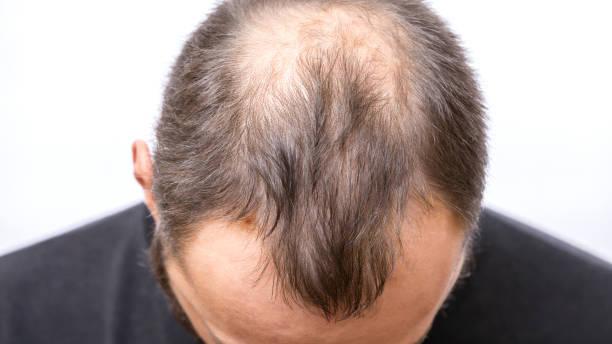
Androgenetic Alopecia (Genetic Hair Loss)
Androgenetic alopecia, also known as male or female pattern baldness, is the most common type of hair loss. It is mainly caused by genetics and hormonal changes over time.
Unlike alopecia areata, this condition develops gradually and follows a predictable pattern, such as receding hairlines in men or thinning at the crown in women.
Key characteristics:
- Slow and progressive hair thinning
- Strong genetic influence
- Patterned hair loss (receding hairline or crown thinning)
- More common with aging
- Permanent thinning without treatment
Telogen Effluvium (Stress-Related Shedding)
Telogen effluvium is a temporary form of hair loss triggered by physical or emotional stress, illness, hormonal changes, or nutritional deficiencies.
In this condition, a large number of hair follicles enter the resting phase, leading to increased shedding across the entire scalp rather than in patches.
Key characteristics:
- Diffuse hair shedding across scalp
- Triggered by stress or illness
- Usually temporary condition
- Hair generally regrows after recovery
- No specific bald patches
Traction Alopecia (Hairstyle-Related Hair Loss)
Traction alopecia occurs due to repeated pulling or tension on the hair roots, often caused by tight hairstyles such as ponytails, braids, or buns.
If identified early, this type of hair loss can be reversed, but prolonged tension may lead to permanent damage.
Key characteristics:
- Caused by repeated hair tension
- Common in tight hairstyles
- Hair loss around hairline or stressed areas
- Can be reversible in early stages
- Preventable with hairstyle changes
Key Differences Between Alopecia Areata and Other Hair Loss Types
The main difference lies in the cause and pattern of hair loss. Alopecia areata is autoimmune and appears suddenly in patches, while other types are usually linked to genetics, stress, or physical damage and develop gradually or diffusely.
People exploring Alopecia Areata Treatment in Riyadh often want to confirm whether their condition is autoimmune or related to other reversible factors before starting treatment.
Major differences:
- Alopecia areata: autoimmune and patchy
- Androgenetic alopecia: genetic and progressive
- Telogen effluvium: temporary and diffuse shedding
- Traction alopecia: caused by physical hair tension
- Treatment approaches vary depending on type
Importance of Correct Diagnosis
Correct diagnosis is essential because treating all hair loss the same way can lead to ineffective results. Dermatological evaluation helps identify the exact type and underlying cause of hair loss.
Early diagnosis improves treatment success, especially in autoimmune cases where timely intervention can support better hair regrowth outcomes.
Why diagnosis matters:
- Ensures correct treatment approach
- Prevents unnecessary or ineffective treatments
- Identifies underlying health conditions
- Improves chances of hair regrowth
- Helps manage progression effectively
Conclusion
Different types of hair loss have different causes, patterns, and treatment needs. Alopecia areata is unique because it is autoimmune and often appears suddenly in distinct patches, while other forms like genetic, stress-related, or traction hair loss follow different patterns and timelines.
Understanding these differences helps individuals make informed decisions and seek appropriate care. Many people searching for Alopecia Areata Treatment in Riyadh benefit from early evaluation to confirm diagnosis and begin suitable management based on their specific condition.
For professional guidance and personalized care, Royal Clinic Saudia provides expert support to help patients understand their hair loss type and choose the right treatment pathway.



 Arabic
 French
 Spanish
 Portuguese
 Deutsch
 Turkish
 Dutch
Dutch
 Italiano
 Russian
 Romaian
 Portuguese (Brazil)
 Greek
Greek