


Whole Home Water Filter or Under-Sink Filters? Which One is For You?
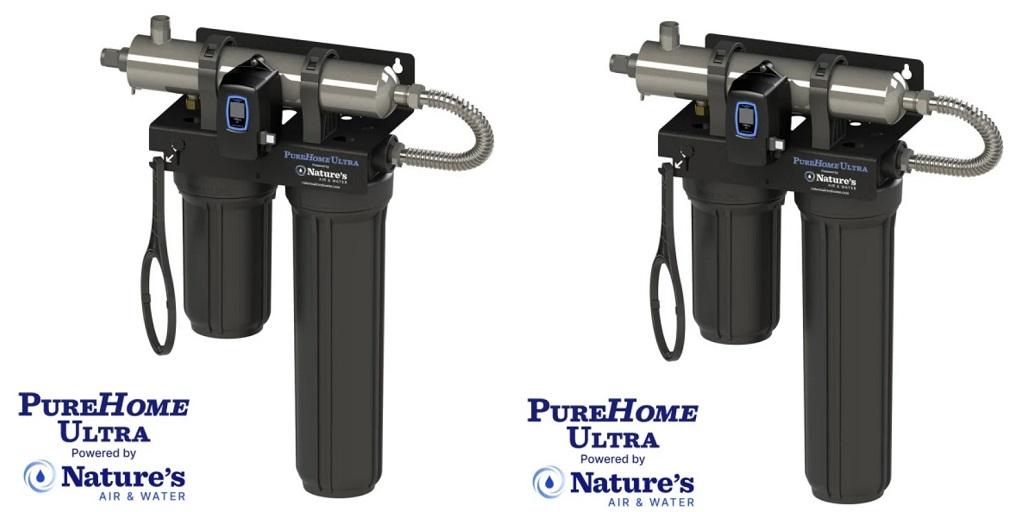
Choosing between a whole home water filter and an under-counter water filter can make you feel torn. Both options improve water quality, but they serve different purposes and solve different problems. The right choice depends on your water source, the contaminants you're concerned about, your budget, and how you use water throughout your home. Before investing in any filtration system, it's important to understand what each option does well and where its limitations begin.
Know What's In Your Water
One of the biggest mistakes homeowners make is choosing a filter before they understand what's actually in their water. Water that appears clear and tastes normal can still contain contaminants that aren't visible to the naked eye. Depending on whether your home receives municipal water or uses a private well, the types of contaminants present can vary significantly. That's why water testing should be one of the first steps in the decision-making process.
Under-Sink Filters and What They Can Do
An under-sink water filter is designed to treat water at a single location, typically the kitchen sink. These systems are popular because they provide filtered water exactly where people need it most: for drinking and cooking. Many under-counter units also use multiple stages of filtration and resolve many water quality concerns, from unpleasant tastes to removing contaminants.
The biggest advantage of an under-sink system is affordability. Installation is usually straightforward, replacement filters are relatively inexpensive, and homeowners can enjoy high-quality drinking water without making major changes to their plumbing. If you live in a small home, condo, or rent a property, under-sink filters are the most practical solution.
But there are some drawbacks. An under-sink filter only treats water at one faucet. The water used in showers, bathrooms, laundry rooms, and appliances remains untreated. If your concerns extend beyond drinking water, an under-counter system may not provide enough coverage.
A Whole Home Water Filter Functions Differently
A whole-house filtration system works differently. Instead of treating water at a single faucet, it filters water as it enters the home. This means every shower, sink, washing machine, dishwasher, and appliance receives treated water. For homeowners dealing with issues such as sediment, chlorine, hard water, iron, odors, or other widespread water quality concerns, this can be a major advantage.
Whole-house systems offer complete protection throughout the property. They can help reduce scale buildup in plumbing, protect water-using appliances, improve bathing water quality, and provide cleaner water for everyday household tasks. Many homeowners notice benefits beyond drinking water, including softer-feeling skin, reduced staining, and less mineral buildup on fixtures.
The downside is cost. Whole-house systems typically require a larger upfront investment and often involve professional installation. They also take up more space and may require periodic maintenance depending on the filtration technology used. While the long-term benefits can be substantial, not every homeowner needs that level of treatment.
Consider What Matters to You
When deciding between the two options, it helps to identify your primary goal. If your main concern is improving the quality of drinking and cooking water, an under-sink filter may be all you need. But if you're worried about contaminants affecting your entire household, protecting plumbing systems, or improving water quality at every tap, a whole-house system may make more sense.
It's also worth considering your lifestyle. Families with children, homeowners using well water, or those dealing with hard water often benefit from broader treatment solutions. Renters and budget-conscious homeowners may find that an under-sink system is the best value.
There is no universal answer because every home's water quality is different. The best approach is to start with accurate information about your water and then choose a system that addresses your specific concerns. Selecting the right filtration system starts with understanding your needs. For many homeowners seeking total protection and treatment throughout their home, a whole home water filter provides the most complete solution available.
For more information about Reverse Osmosis Water Filter and Water Filter Straw Please visit: Nature's Air and Water, LLC.

 Arabic
 French
 Spanish
 Portuguese
 Deutsch
 Turkish
 Dutch
Dutch
 Italiano
 Russian
 Romaian
 Portuguese (Brazil)
 Greek
Greek